Flathead Sellers
How do you sell a mountain home to a buyer who lives in another state?
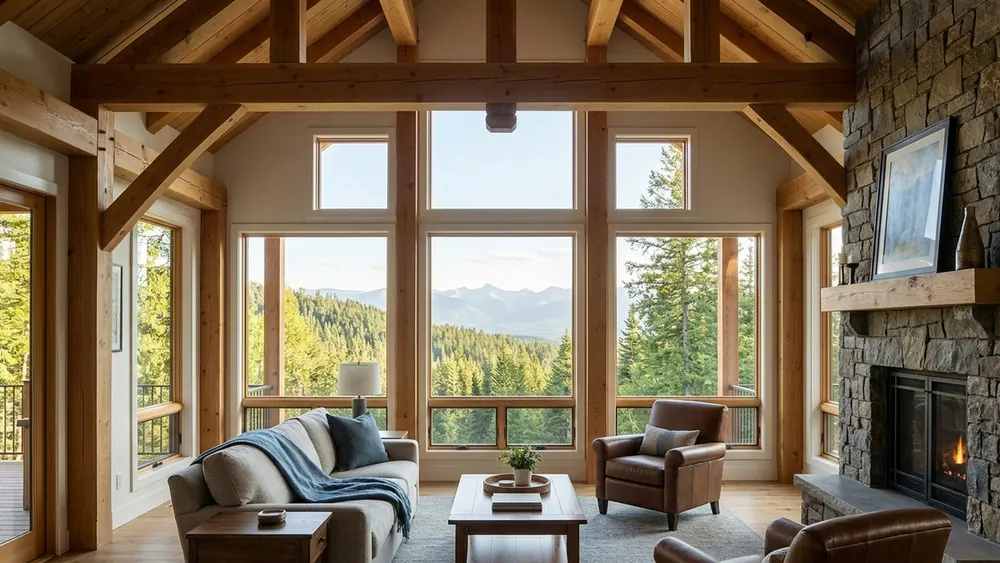
Show the home clearly in more than one season, have the documents ready to share before anyone asks, and plan for remote questions, video walkthroughs and a well organized visit, because distance makes preparation matter more than it would in town.
On this page
Distance changes what a buyer needs
You sell a mountain home to someone from another state by making it easy to understand from far away. That means clear photos from more than one season, documents ready to share before anyone asks, quick and accurate answers to remote questions, and a visit that is planned so the buyer sees what matters. Preparation does the work that a casual drive past the home would do for a local buyer.
A buyer who lives nearby can see a home on short notice, drive the road up to Whitefish Mountain Resort on a weekday, and come back a second time. A buyer from another state usually cannot. They are deciding whether the home is worth a flight, a rental car and a few days off work. Everything they see and read before that trip carries more weight.
None of this guarantees a sale, a price or a timeline, and no honest agent promises those. What preparation does is remove the reasons a distant buyer has to hesitate. If the questions they would ask in person are already answered, they can spend their energy on the real decision: whether this home fits how they want to use a place at Whitefish Mountain Resort.
Show the home in two seasons
A mountain home lives two lives. In winter it is about the entry, the boot and gear storage, the warmth, the parking, and how it feels after a day on the hill. In summer it is about the deck, the light, the trails and the evenings. A buyer from another state may only ever have visited in one season, so show them both.
If you have good photos from a past winter or summer, gather them now and label each with the month. Your own photos can help in early conversations even if the listing uses new professional photography. A short note on how you use the home in each season, written in plain words, gives a buyer something no photo can: the view of someone who lives with it.
Think about the questions a distant buyer cannot answer by looking. Where does the gear go? How does the home handle a crowd of visitors on a holiday week? Where do guests park? Simple answers to those, in your own words, make the home easier to imagine. They also reduce the back and forth once the listing is live, which matters when every exchange crosses a time zone.
Have the paperwork ready before anyone asks
A remote buyer leans on documents more than a local buyer does. If the home is in an HOA, gather the governing documents, recent meeting minutes and dues information, confirmed with the HOA itself. Add records of repairs and upgrades, warranties and service contacts, and any rental history the home has. Organized in one place, these let a buyer read at their own pace from home.
Disclosure items belong here too. Write down what you know about the property, including past repairs and anything you are unsure about. The rules on what must be disclosed come from the state and can change, so confirm the current requirements with official Montana sources and take uncertain points to a real estate attorney. Do not guess, and do not rely on old habits.
Readiness signals care. A buyer who asks for the HOA documents and receives them the same day reads that as a well kept home and a seller who is easy to work with. A buyer who waits a week for each answer starts to wonder what else is slow. On a home they cannot visit easily, that impression matters, and it is one of the few parts of the process you control completely.
Plan for questions asked from far away
Most of a remote buyer’s early contact happens by phone, message and video. Expect more questions than a local buyer would ask, and expect some of them to arrive at odd hours because of time zones. The goal is accurate answers, not instant ones. When an answer belongs to someone else, such as the HOA or a lender, say so and point the buyer there.
- A live or recorded video walkthrough that follows the route a visitor would actually take
- A short written list of what stays with the home, including any furniture or gear
- A shared folder of documents the buyer can review with their own advisors
- Clear notes on which questions go to the HOA, the county or a lender
Alexis is a partner on a two-agent team with Stephanie Skinner, and her recent closings were each co-listed with Stephanie on the seller side. With a remote buyer, that shared listing work helps in a practical way. While one of us is showing the home, the other can be answering a document request, so the buyer is not left waiting for a reply.
Questions a distant buyer will likely ask
It helps to think ahead about who answers what. Some questions belong to you and your records. Some belong to the HOA. Some belong to the county or to professionals the buyer will hire. Sorting them before the listing starts keeps everyone from guessing. Here is a simple way to lay out the most common ones, with the source that gives the reliable answer for each.
| Buyer’s question | Why it matters remotely | Who answers it |
|---|---|---|
| What do the HOA dues cover? | Shapes the real cost of owning from far away | The HOA and its documents |
| Can I rent the home when I am away? | Many distant owners ask before they ever visit | The HOA and the local authority |
| What work has been done on the home? | They cannot inspect casually between visits | You, with your records, then a licensed home inspector |
| What do property taxes look like? | Owning in another state adds tax questions | The county and an accountant |
| How would I insure the home? | Coverage can differ for a second home | An insurance agent |
Notice that very few of these questions are answered by an agent’s opinion. On the rental question in particular, never tell a buyer what is allowed. Point them to the HOA documents and the local authority, and let them confirm it for the specific property. The same goes for taxes, insurance and financing. Clear routing is part of good preparation.
Making the visit count
When a buyer from another state does come to see the home, they may have only a few days and several homes on the list. Help them use that time well. Have the home ready, the documents printed or easy to pull up, and a clear sense of what they most want to see. Ask ahead what they are hoping to confirm in person, whether it is the layout, the storage, the parking or simply how the home feels when you walk in.
A visit in one season will always leave questions about the other. That is where your photos and notes earn their keep again. If a buyer sees the home in summer, show them the winter photos while they are standing in the entry. If they see it in winter, walk them out to the deck and describe a summer evening. The home becomes real in both seasons at once.
What to gather before we talk
You do not need everything ready before a first conversation about selling to a buyer from another state. Start with a short list and build from there. Here is what helps most at the beginning, and none of it needs to be polished or complete. A few notes on a page are enough to start, and we can sort out the rest together once we know what you already have.
- Photos you already have from winter and summer, labeled with the month taken
- HOA documents you have on hand, plus the HOA or management contact
- Records of repairs, upgrades and maintenance, along with any rental history
- A few plain notes on how you use the home in each season
Alexis chose Whitefish as home and knows what it takes to explain a mountain home to someone who has not lived here yet. Bring your list and your questions to a first conversation, whether your home is at Whitefish Mountain Resort, in town, in Bigfork or elsewhere in the Flathead Valley. No price or timeline is promised. What would a buyer from another state most want to know about your home?
This article is general information about buying and selling property at Whitefish Mountain Resort and around the Flathead Valley, Montana. It is not legal, tax, lending, valuation or inspection advice and does not predict prices or promise results. Confirm HOA and rental rules with the HOA and the local authority, land, shoreline and water questions with the county and qualified professionals, financing with a lender, and title with a title company. Alexis Waite Kennedy, Glacier Sotheby’s International Realty.

Written by