Resort Homes
What should I read in the HOA documents before buying at Whitefish Mountain Resort?
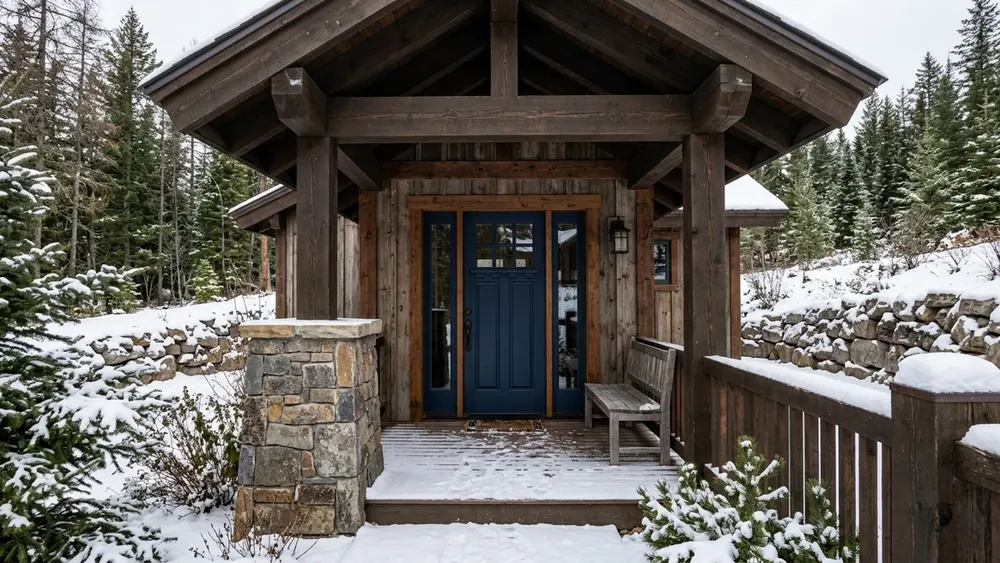
Read the fees, the budget, the reserves and the rules on rentals, parking, pets and changes to the home, then ask what has changed recently. The HOA gives the official answer for each property, so confirm everything in current documents.
On this page
The quick answer on HOA documents
Before you buy a home at Whitefish Mountain Resort that sits inside an association, read the fees, the budget, any reserve information and the rules on rentals, parking, pets and changes to the home. Then ask what has changed recently and what may be under discussion. The HOA gives the official answer for each property. Your job is to read early enough that a surprise changes your decision instead of arriving after closing.
This matters because HOA documents shape how you will use the home and what it will cost to own. They can decide who maintains the roof and the grounds, where you park in winter, whether you can make changes to the home and how the property may be used when you are not there. Two homes that look alike in photos can live very differently once you read what each association expects of its owners.
This article explains what to look for and who answers each question. It does not state what any association allows, quote fees or interpret legal language. Rules and fees vary from one association to the next and change over time, so every specific answer belongs in the current documents and with the HOA. A real estate attorney can help with legal meaning, and I can help you build the list of documents to request.
Why the documents matter more on the mountain
A mountain home often sees more shared responsibility than a home in town. Townhomes and many houses in a resort setting share roads, parking areas, grounds or exterior upkeep, and the association decides how those are handled. That means the documents are not paperwork to skim after you are under contract. They are part of what you are buying, as real as the floor plan or the view from the deck.
Seasonal use raises the stakes. If you plan to be on the mountain mostly in winter, you will want to know how snow removal, parking and gear storage are handled. If summer is your season, you may care more about decks, outdoor space and rules about what can stay outside. If you plan to be away for long stretches, you will want to know what the association expects from an absent owner.
There is also the question of change. Associations hold meetings, update rules and adjust budgets. A rule that applies today may be revised, and a project that is only being discussed can still affect owners later. Reading the meeting minutes and asking direct questions gives you a sense of what has been happening recently, so you are not relying only on the version of the rules in place on the day you first look.
How to request and organize what you receive
Start by asking for the full set of documents as early as practical in the process. Your purchase agreement and the HOA itself shape how and when documents arrive, so ask about timing up front. When they come in, keep them in one place and make a simple list of what you received and what is still missing. A missing document is a question in itself, and it is worth asking about before you go further.
Read with a pen or a notes file open. Mark anything that touches how you plan to use the home, anything that involves money and anything you do not understand. You do not have to interpret everything yourself. The point of the first read is to find the questions. The HOA answers questions about its own rules and records, and a real estate attorney can explain legal terms or obligations.
Keep a running record of every answer you get, including who gave it and when. Associations and managers change, and memory fades quickly during a busy purchase. A written record lets you compare what you were told with what the documents say, and it gives you something to return to if a question comes up later. That habit is simple, and it saves a lot of confusion.
The core documents to ask for
Names and formats vary, but most associations keep a similar core set of records. Ask the HOA what it has and request current versions of each, not copies passed along from an earlier sale. If something on this list does not exist for a particular property, ask how the same topic is handled instead. A short note beside each item, received or still missing, keeps the review organized from the start.
- The governing documents, including the declaration, bylaws and current rules
- The current budget and any information about reserves for future repairs
- Recent meeting minutes and notes on projects under discussion
- A clear statement of current fees and any special assessments
Once you have the set, compare it with your own plan for the home. If you expect to rent the home at times, have a pet, add a hot tub or keep gear outside, find the section that addresses it. If you cannot find it, ask the HOA directly. A question asked before an offer costs nothing. The same question after closing can cost a great deal of time and money.
Questions to bring to the right source
Different questions belong to different people. Sorting them early keeps you from asking the wrong source and getting a guess instead of an answer. Use this table as a starting point and add your own rows as you read. When a question touches more than one source, ask each of them and compare what they say. A clear answer from the responsible party is always worth more than a confident opinion from someone who is not.
| Question | Why it matters | Who to ask |
|---|---|---|
| What do the fees cover? | Shapes your real monthly cost of ownership | The HOA and its current documents |
| Are any assessments planned? | Can add costs beyond regular fees | The HOA and recent meeting minutes |
| What rental rules apply? | Affects how the home may be used | The HOA and the local authority |
| What changes need approval? | Limits projects you may be planning | The HOA’s rules and review process |
| What do legal terms mean? | Clarifies obligations you would accept | A real estate attorney |
Rules about rentals deserve special care. Rental rules can come from the association and from the local authority, and they can change. Never count on any rental use until both have confirmed what applies to the specific property. I can help you put the questions together, and the HOA and the local authority give the official answers.
Common misreadings that lead to surprises
One common misreading is treating a summary as the full picture. A listing description, a conversation with a neighbor or an old document can all leave out a recent change. Another is assuming that a rule you saw for one property applies to the one next door. Each association has its own documents, and sometimes different parts of the same area fall under different rules. Read the documents for the exact home you want.
A third misreading is assuming the fee covers more than it does. Owners sometimes expect the association to handle snow removal, exterior repairs or insurance on the building, then discover the documents assign some of that to the owner. Ask the HOA to confirm what the fee covers, and ask an insurance agent how coverage for the home and the association fit together. Write down every answer you receive.
Your next step before making an offer
Before a first conversation, write down how you plan to use a home on the mountain and which rules would change your decision. That short list tells you where to focus when the documents arrive. It also helps Alexis help you, because the question list can be shaped around your plan instead of a generic checklist. Start with these four notes.
- The seasons you expect to use the home and for how long
- Any plans to rent, add a pet or make changes to the home
- Your comfort level with monthly fees and possible future assessments
- Questions you already have about parking, storage and snow removal
With those notes in hand, you can request the right documents, read them with purpose and take each question to the person who can answer it. There is no need to have every answer before we talk, and no pressure to move faster than the documents allow. Which rule, if it turned out differently than you expect, would change whether a home at Whitefish Mountain Resort works for you?
This article is general information about buying and selling property at Whitefish Mountain Resort and around the Flathead Valley, Montana. It is not legal, tax, lending, valuation or inspection advice and does not predict prices or promise results. Confirm HOA and rental rules with the HOA and the local authority, land, shoreline and water questions with the county and qualified professionals, financing with a lender, and title with a title company. Alexis Waite Kennedy, Glacier Sotheby’s International Realty.

Written by