Lakeside Acreage
How is buying on the north shore of Flathead Lake different from buying at Whitefish Mountain Resort?
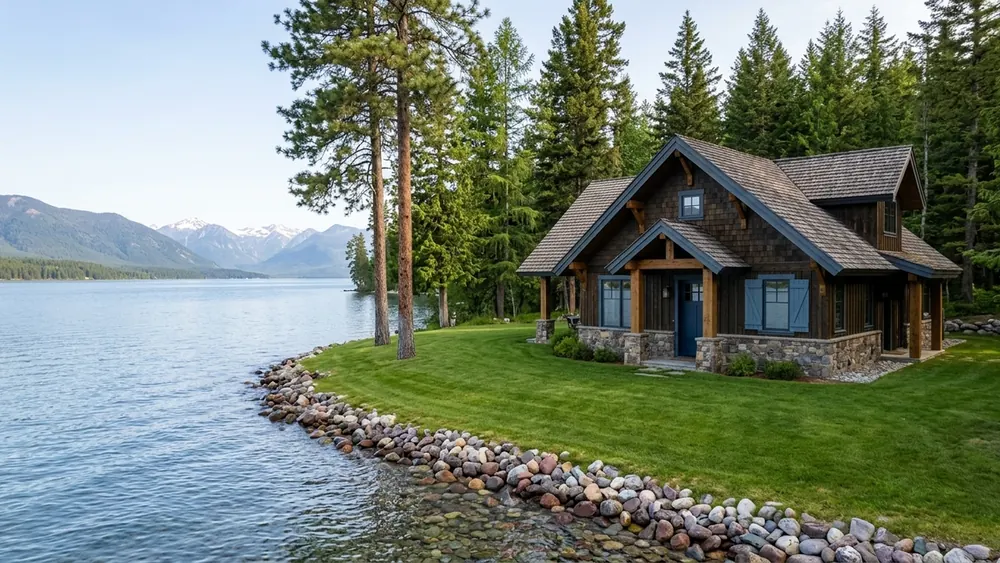
The difference is mostly in the questions you have to answer. A resort home raises questions about the HOA and seasonal use, while lake and acreage property adds frontage, land, access, water and septic questions that the county and qualified professionals confirm.
On this page
The short answer is different questions
Buying on the north shore of Flathead Lake is different from buying at Whitefish Mountain Resort mainly because the property types raise different questions. A townhome or house at the resort usually points you toward HOA documents, shared upkeep and how you will use the home across the seasons. A lake property or a home on acreage near Bigfork adds questions about frontage, land, access, water and septic systems, each answered by a different professional or office.
Neither choice is right for everyone, and this article does not pick a winner. The goal is to help you see which list of questions you are signing up for, so you can judge whether the work involved fits the way you want to live. Some buyers are weighing both at once. Others start on the mountain and later wonder whether land or a lakeside home would suit them more. Either way, it helps to know the shape of each decision before you start touring homes.
Why does this matter before you look at a single property? Because the questions shape your timeline, your budget for professional help and the people you will need to call. If you know going in that a lake property brings a surveyor, a title company and a shoreline specialist onto your list, you can plan for that work rather than discover it halfway through an offer.
Start with how you would use the place
Before comparing places, compare uses. A home you visit mostly in winter for days on the mountain asks different things of you than a property you plan to live on through every season, or a lakeside place you open up in summer. Write down how you picture an ordinary week there, then use that picture to sort which questions matter most. These are the uses worth describing honestly before you compare homes:
- How often you expect to be there, and in which seasons of the year
- How much upkeep you want to handle yourself versus hand to someone else
- Whether you want shared walls and an HOA, or land and full responsibility
- What you would store on site, from ski gear to a boat or tools
What land and frontage add to the list
A home at Whitefish Mountain Resort often sits inside an association, and the HOA documents answer many of the questions about rules, fees and shared areas. A property with land or lake frontage tends to shift more of those questions onto you, the records and the professionals you hire. That does not make it harder, only different, and it rewards a buyer who likes to work from a list. Here is a starting list of what to ask on land and lake property, and who confirms each answer:
- Where the boundaries are, confirmed by a surveyor and the county records
- What the frontage actually includes, confirmed with a qualified shoreline or water specialist
- How the property is reached and whether any easements apply, confirmed by a title company
- What the well and septic systems are, reviewed by qualified well and septic professionals
- What outbuildings exist and their condition, reviewed by a licensed home inspector
What a mountain resort home asks of you
On the mountain, the starting point is usually the HOA. Its documents cover fees, the budget, and the rules on parking, pets, rentals and changes to the home. You read them, ask what has changed recently, and take any open question back to the HOA itself. Rental questions in particular go to the HOA and the local authority for that specific property, because nothing should be assumed from a neighboring home or a listing description.
Seasonal use matters just as much. A resort home lives differently in winter and in summer, so notice how you would arrive and park, where boots and gear go, and how each room would actually be used. Seeing a home in both seasons, or asking for photos from both, gives you a fuller picture than a single visit on a clear day. Road and weather conditions are confirmed with local and state authorities, not guessed.
Ownership on the mountain can also mean more of the exterior work is handled by the association, depending on the property type. A townhome and a single-family home can be very different on that point, even on the same hillside. The HOA documents and a licensed home inspector together tell you what you would own, what the association looks after, and what you would be responsible for after closing. Ask those questions for each home on your list, rather than assuming one answer covers the whole mountain.
Where buyers get surprised on the lake
The most common surprise is assuming a lake or acreage property comes with the same kind of paperwork as a resort home. Often it does not. There may be no HOA to answer questions, which means you gather more of the answers yourself, through the county, a title company, a surveyor and the specialists who look at water, wells and septic. Building that list early keeps the process calm rather than rushed. Ask early who holds each record, and write down the name of whoever answers.
Another surprise is reading a listing description as a statement of fact about frontage, access or land use. A listing is a starting point. Treat every claim about what the property includes as a question to confirm with the right source before you make an offer. That applies on the mountain too, but the number of things to confirm tends to grow once land and water are involved.
I tell people to write the question down before they fall for the view. Then find out who actually answers it, and you decide with the facts in hand.
How the season changes your view
Seasons matter on both sides of this decision. I spent many winters on snow before choosing Whitefish as home, and that habit of thinking about a place in every season carries over to property. A mountain home you picture in deep winter may feel very different in midsummer. A lakeside property you first see in summer is worth picturing on a dark winter afternoon, with every chore that comes with owning land.
If you can, see a property more than once and at different times of year. If you cannot, ask for photos from another season and make a list of questions about access, upkeep and storage that only another season would answer. Conditions on any road, lake or slope are confirmed with local and state authorities, so note what you want to ask them as you go. Keep those notes with the property, so the answers travel with it through the rest of your decision.
What to gather before a first conversation
Before you talk with an agent about mountain versus lake, gather a few things. Write down how you would use the place in winter and in summer. List the property types you are open to, from a resort townhome to a house on acreage. Note your financing questions for a lender, and start a page for the professionals you may need: a title company, a surveyor, a licensed home inspector, and well and septic professionals.
Alexis works from the resort village at Whitefish Mountain Resort, and her co-listed work with teammate Stephanie Skinner has included homes at the resort and a lake-area acreage home in Bigfork. That gives her a view of both kinds of question. Her role is the real estate side: helping you compare specific homes and build the list of questions each one raises. The official answers come from the county, the HOA and the professionals named above.
There is no rush in any of this. The aim is to make a mountain or lake decision organized and clear, so you know what you are taking on before you commit. If you are weighing the north shore against the mountain, the next step is simple. Which way of using the place matters most to you, and would it help to bring that question to Alexis and sort out what to verify first?
This article is general information about buying and selling property at Whitefish Mountain Resort and around the Flathead Valley, Montana. It is not legal, tax, lending, valuation or inspection advice and does not predict prices or promise results. Confirm HOA and rental rules with the HOA and the local authority, land, shoreline and water questions with the county and qualified professionals, financing with a lender, and title with a title company. Alexis Waite Kennedy, Glacier Sotheby’s International Realty.

Written by