Resort Homes
Should I buy a townhome or a house at Whitefish Mountain Resort?
The short answer
Choose by how you will use the place. A townhome usually means shared walls and an HOA handling more of the upkeep, while a house brings more space, more land and more of the work landing on you.
On this page
The short answer starts with how you live
Buy the type of home that matches how often you will be there and how much upkeep you want to own. A townhome at Whitefish Mountain Resort usually means shared walls, shared grounds and an HOA that handles more of the outside work. A house usually means more room, more land and more of the decisions and chores landing on you. Neither type is the right answer for everyone, and neither is a shortcut. The right one is the one that fits your use, your budget and the time you want to spend on the place.
This matters because the two choices change almost everything that comes after the offer. They change who clears the snow, who fixes the roof, what you pay each month on top of the mortgage, what rules you agree to and how much time you spend on the place instead of enjoying it. A buyer who picks the type first and asks those questions later can end up owning a home that works on paper and feels like a second job.
This article walks through the questions that sort the two types out: how often you will use the home, in which seasons, who will look after it while you are away, and what you need to read before you commit. It does not rank properties, promise values or tell you what any association allows. Those answers come from current documents and the right professionals, and I can help you build the list of what to ask.
Questions to answer before you compare homes
Before you look at a single listing, sit down and write out how you expect to use a mountain home. Be honest about the calendar, not the postcard. The answers shape which type deserves a closer look, and they make every showing more useful because you know what you are checking for. Start with these four questions and keep the answers somewhere you can bring to a first conversation.
- How many weeks a year you realistically expect to be on the mountain
- Whether you will come mostly in winter, mostly in summer or in both seasons
- Who will check on the home, handle repairs and clear snow while you are away
- How much of your visit you want to spend on upkeep instead of time outside
What each property type asks of you
Each type comes with its own set of responsibilities, and the split varies from one property and association to the next. Treat the list below as a starting point for questions, not a description of any specific home. The HOA documents, the seller’s disclosures and a licensed home inspector give you the real answers for the property in front of you. Read each list item as a question to ask, then note the answer and who gave it, so you can compare two homes side by side.
- Which exterior work the HOA covers and which work stays with the owner
- How snow removal is handled for driveways, walkways, decks and entries
- What the monthly or annual HOA fees cover and how they have changed
- How much land comes with a house and what looking after it involves
- What rules apply to changes, parking, pets and use of the home
How the seasons change the comparison
A mountain home lives differently in January than it does in July, and the type you choose changes how much that matters. In winter you notice where the car goes, where wet boots and skis dry out, how you carry gear from the parking spot to the door and who handles snow while you are gone. In summer the same home may be about the deck, the yard, bikes in the garage and long evenings outside.
A townhome can make a winter visit simpler because more of the outside work may sit with the association, but it can also mean shared parking, less storage and rules about what you keep outside. A house can give you room for gear, guests and summer projects, but every season brings its own list of chores. Ask the HOA and the seller exactly how each of those is handled before you assume anything.
If you can, see any home you are serious about in more than one season. Walk the route from the parking area to the front door, open the storage, and picture where everything goes after a long day outside. If a second visit is not possible, ask for photos from another time of year and ask the seller how they use the place. Road and weather conditions are a question for local and state authorities, not for a listing description.
Why I look at how a place gets used
Before real estate I spent more than a decade as a professional snowboarder, and I chose Whitefish as home. That background shapes how I walk through a mountain property. I pay attention to the ordinary details that decide whether a place works: where the gear lives, how the entry handles a crowd coming in from the cold, and whether the layout still makes sense when the season changes.
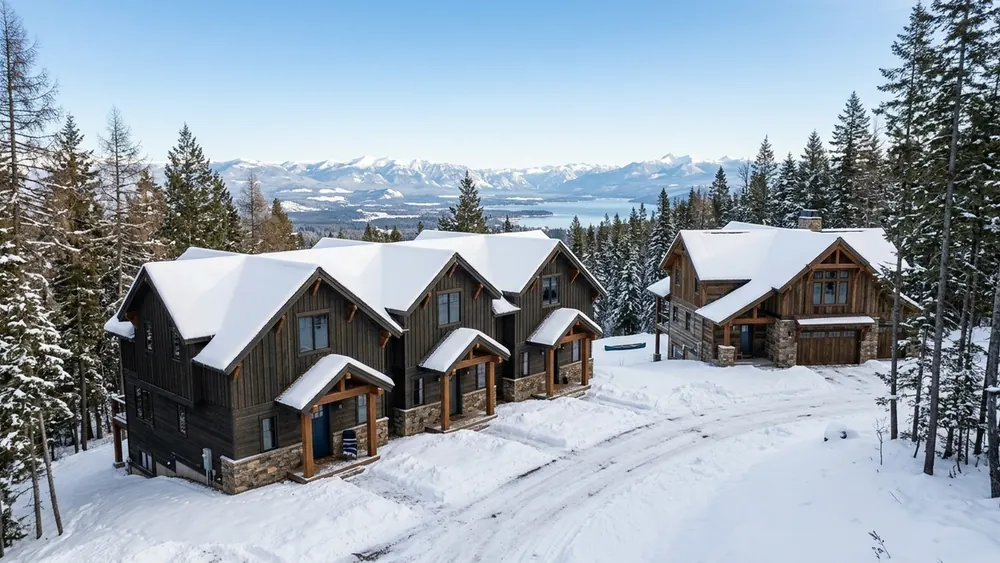
My recent co-listed work on the mountain, shared with teammate Stephanie Skinner on the seller side, has included both a townhome and a single-family home on acreage. Seeing both types up close is a reminder that neither one wins on its own. A townhome can be the easy, low-upkeep base one buyer wants, and a house can be exactly the space another buyer needs. The difference is always the person and the plan, and that is where every search should begin.
Tell me how you would use the place, in winter and in summer. Then we can look at which type fits that life instead of the other way around.
Assumptions that cause surprises after closing
The most common surprise is assuming what the HOA covers. Buyers sometimes expect the association to handle a roof, a deck or snow removal when the documents say otherwise, or they expect freedom to change a home when the rules require approval. Read the documents before you offer and ask the HOA directly about anything that is unclear. Rules and fees change, so confirm them in the current versions, not in an old summary.
A second surprise is assuming a house means freedom from rules. Land can carry its own questions about access, boundaries, wells, septic systems and what the county allows. Those are not reasons to avoid a house. They are questions to put to the county, a surveyor, a title company and qualified well and septic professionals before you commit. Write down who answered each question and when, so you are not relying on memory later. A short, organized record makes it far easier to compare a townhome and a house fairly.
What to gather before a first conversation
You do not need to have decided between a townhome and a house before we talk. You only need a clear picture of how you plan to use the home. Write down the seasons you expect to visit, roughly how often, who will come with you and what you want to do while you are there. Add a note about how much upkeep feels reasonable and who might help while you are away.
Next, list the questions you already know you want answered. Include anything about HOA documents and fees, storage for gear, parking, land and upkeep. Bring a sense of your budget and talk to a lender about financing early, because that conversation affects which homes are worth a visit. If you are buying from another state, note when you could see a home in person, how you would like to get updates and who might walk through a home on your behalf.
With that list in hand, a conversation with Alexis can move quickly from general ideas to specific homes at Whitefish Mountain Resort that fit how you will actually live there. There is no pressure to decide on the spot and no need to know the answer yet. So how would you spend your first full week in a mountain home, in winter and again in summer?
This article is general information about buying and selling property at Whitefish Mountain Resort and around the Flathead Valley, Montana. It is not legal, tax, lending, valuation or inspection advice and does not predict prices or promise results. Confirm HOA and rental rules with the HOA and the local authority, land, shoreline and water questions with the county and qualified professionals, financing with a lender, and title with a title company. Alexis Waite Kennedy, Glacier Sotheby’s International Realty.

Written by